Designed for immersion, freedom, and control under pressure.
Control Without Compromise
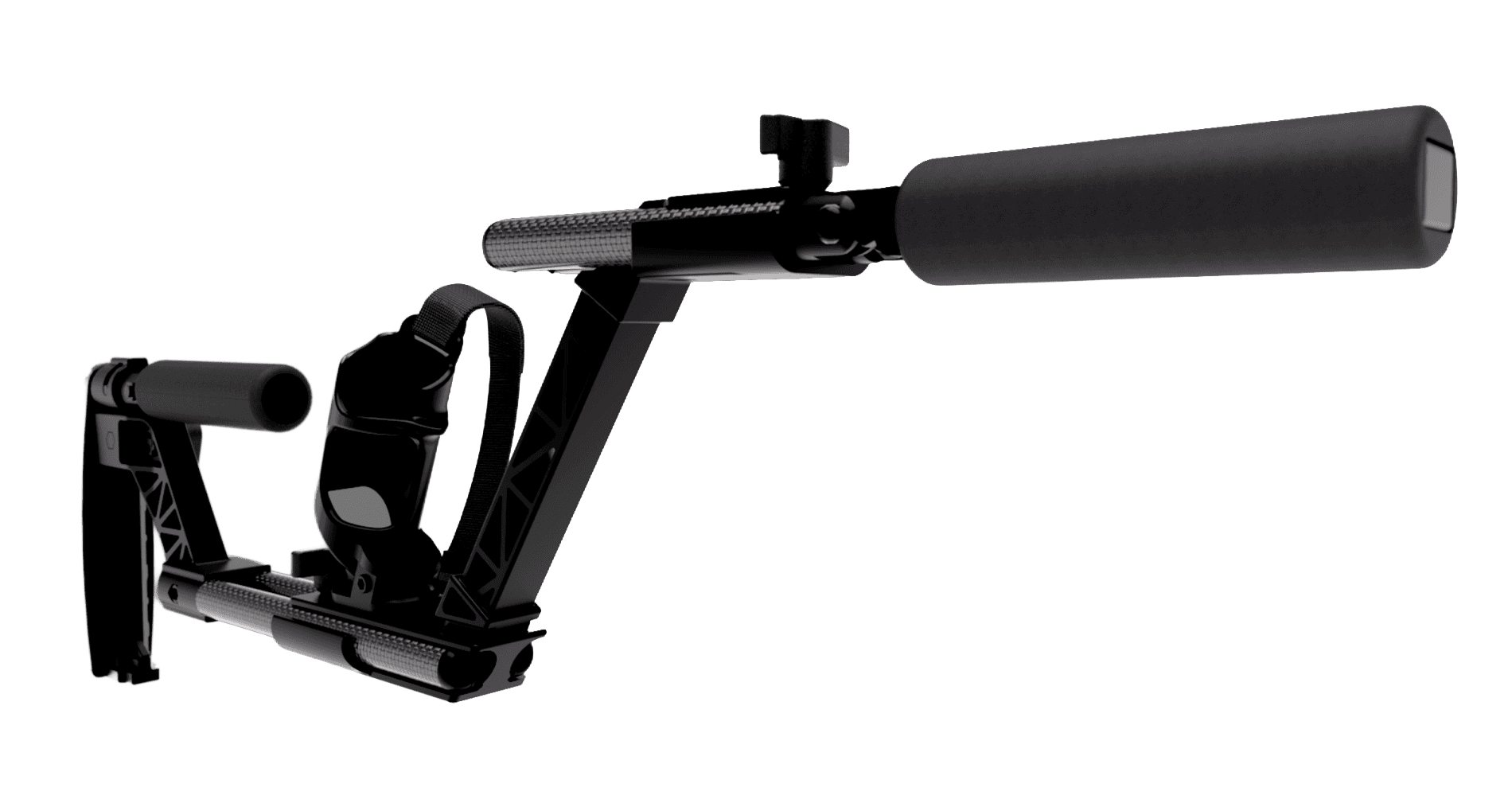
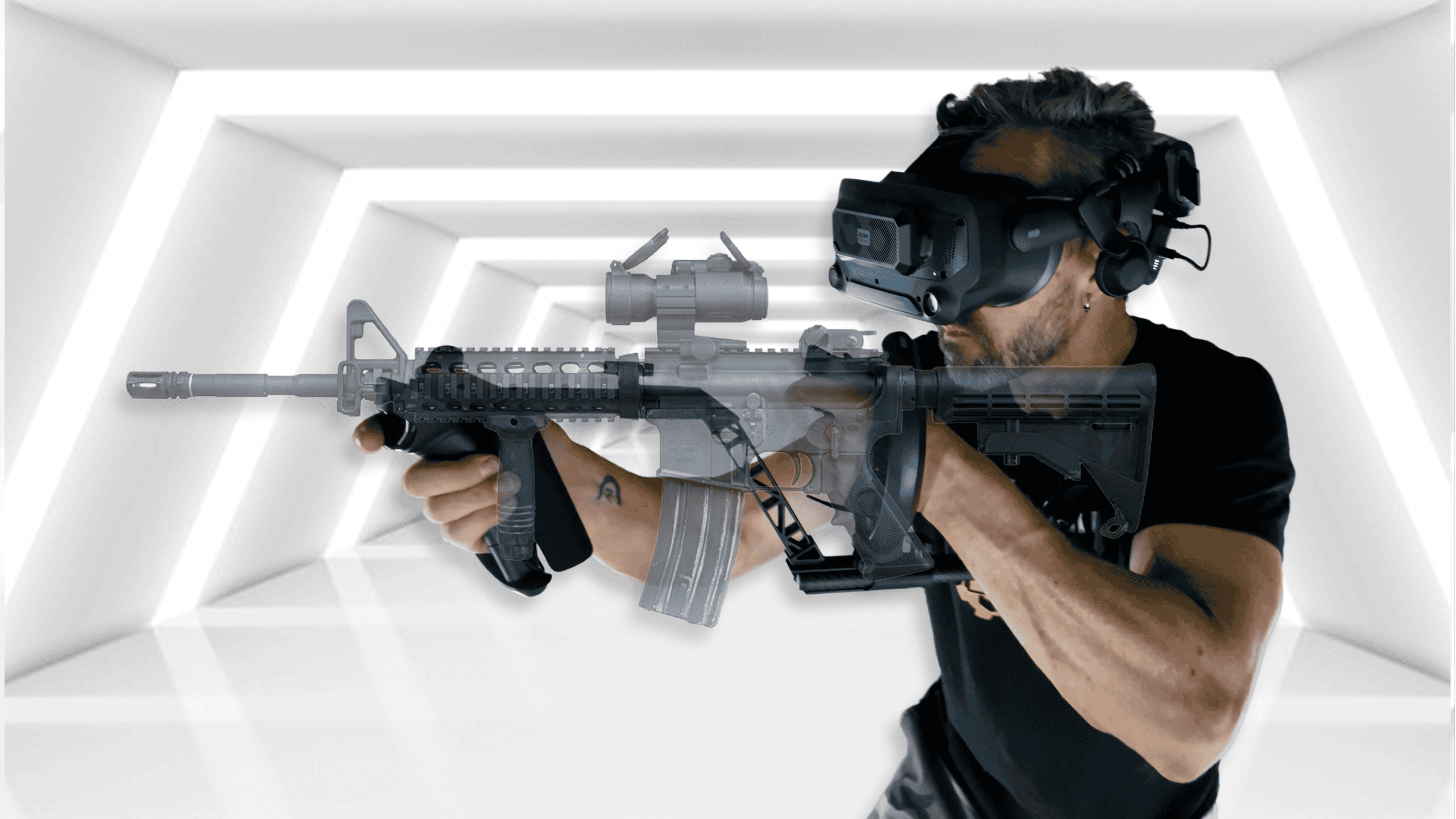
ARMORY-R1 locks your main hand into a rigid, weapon-style frame for consistent aim and stability — even during fast movement and high-stress moments.
At the same time, your off-hand remains completely free, guided by a large, foam-covered contact area that’s easy to find under pressure. This allows reloading, interaction, and aggressive movement without fighting the stock, over-stressing controllers, or causing hand or wrist fatigue during long sessions.
While ARMORY-R1 offers multiple suggested ways to stabilize your free off-hand, there’s no single “correct” method. Players naturally settle into what feels right for them — adapting grip, pressure, and positioning to match their own playstyle. Checkout the video clips that showcase the top performing offhand stability techniques.
Locked primary hand for a stable, repeatable point-of-aim
Large, forgiving off-hand target — easy to find in high-stress play
Foam-covered contact reduces wear, irritation, and fatigue
Multiple stabilization options — no forced technique
Built for aggressive, high-movement gameplay
Wrist Placement Gameplay
Standard Rifle Gameplay
Controlller Placement Gameplay
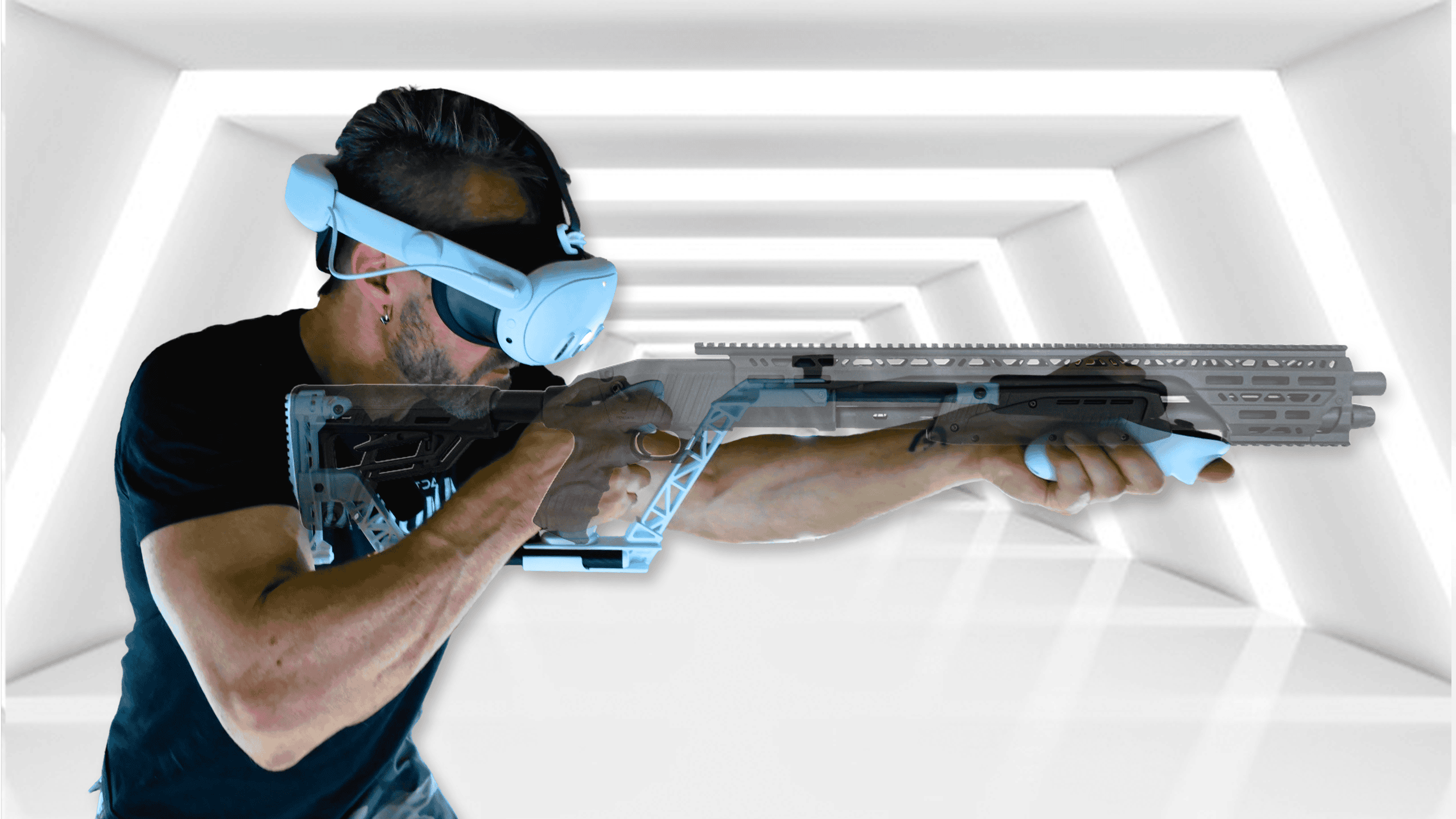
Pump Action Gameplay
Stability where you need it. Freedom where you want it.
Immersion Through Physical Reference
Immersion isn’t created by graphics alone — it comes from physical reference. When your hands, arms, and shoulders align around a real, weapon-style frame, your body instinctively understands what it’s holding.
The ARMORY-R1 reinforces that realism through natural interaction. Stabilizing your free off-hand against the foam-covered target mimics how a real weapon is supported, giving your brain familiar cues for spacing, pressure, and posture.
The result is deeper immersion and easier interaction — movements feel intuitive, deliberate, and immediately understandable instead of simulated.
Real-world posture and spatial cues
Foam contact mirrors natural weapon support
Easier interaction with less conscious effort
Reduced cognitive load during play
When interaction feels natural, immersion follows.
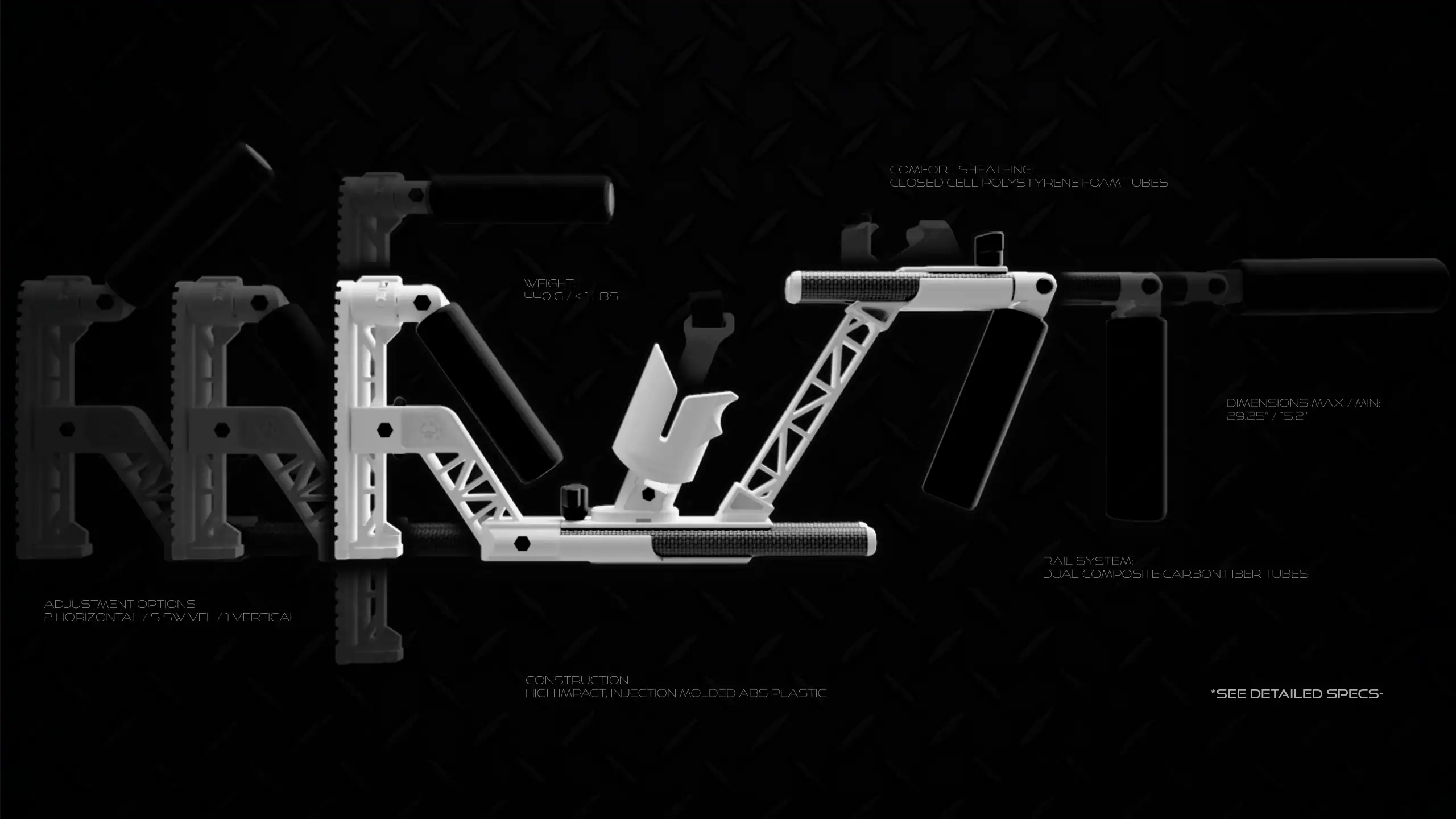
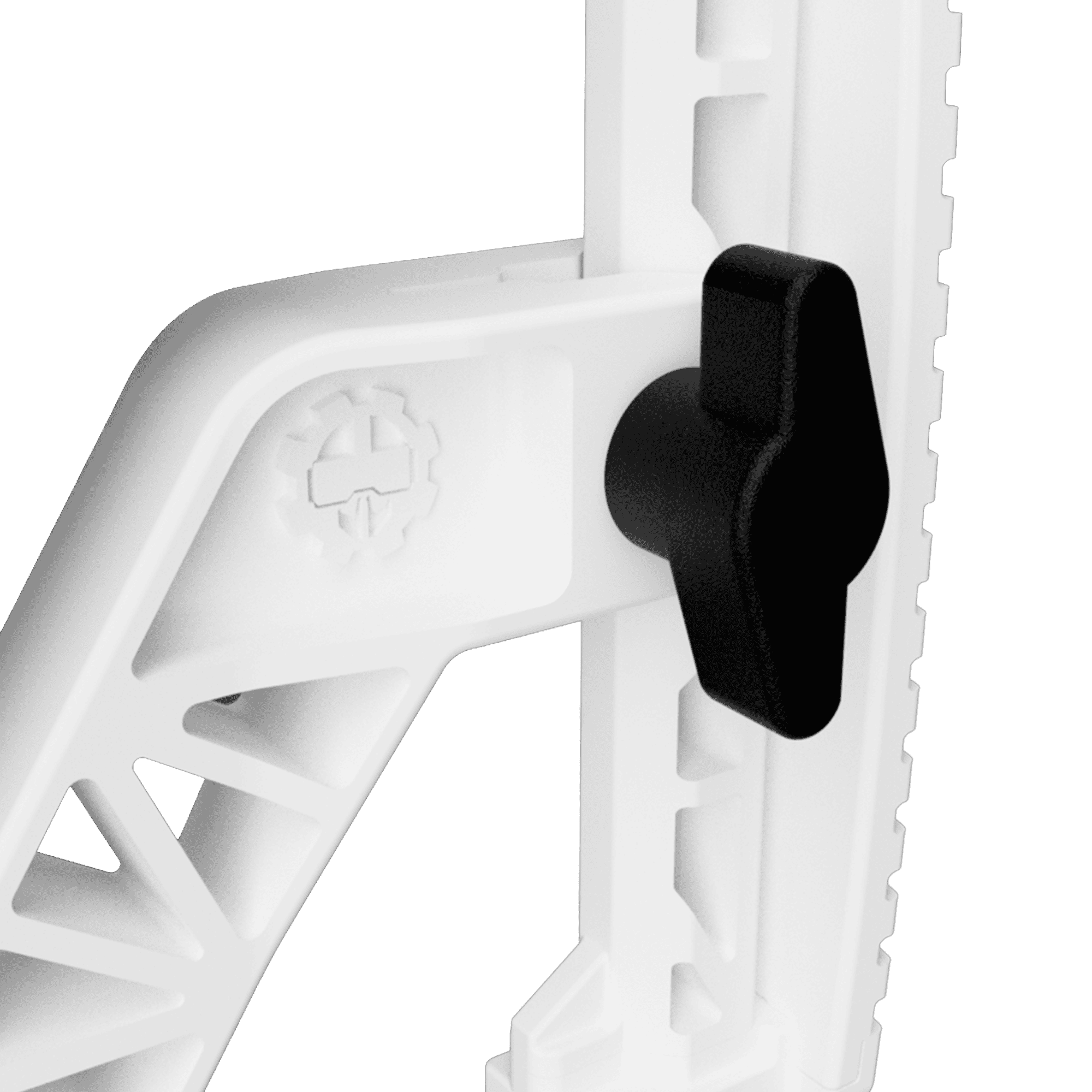
5-Point Adaptive Adjustment options
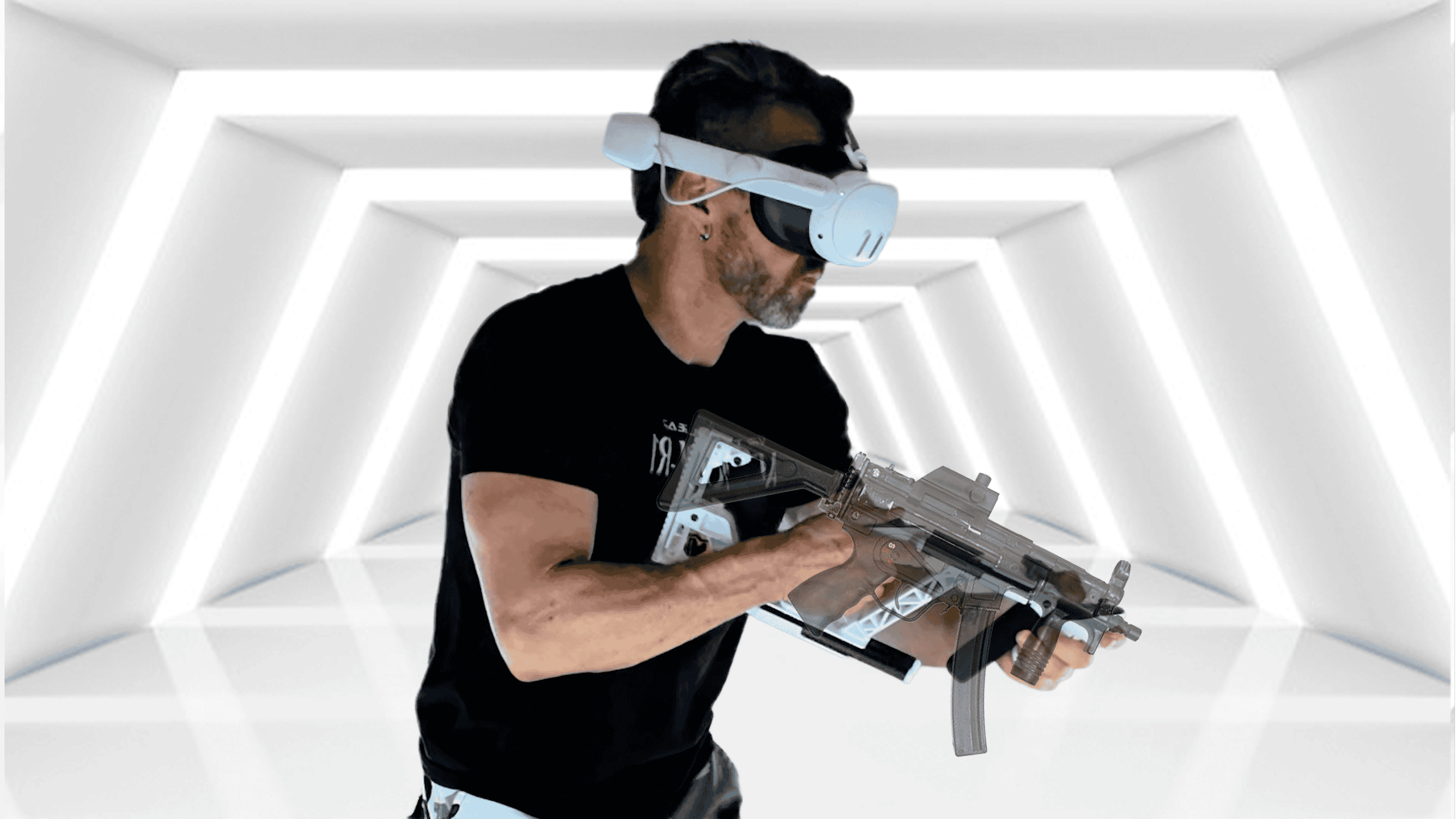
Five independent adjustment points let the ARMORY-R1 be tuned to specific games and in-game weapons—rifles, SMGs, or shotguns—so each loadout feels natural and balanced. By matching the stock to the virtual weapon, you get deeper immersion, faster muscle-memory alignment, and more consistent results in every session.
What makes it different
Lightweight, balanced design that reduces fatigue during extended game sessions and allows precise in-game actions with minimal effort
Large, forgiving stability points instead of small cups or magnets — easy to find under pressure and won’t disengage during aggressive play
Free off-hand operation for natural reloading, interaction, and movement without forced stability reattachment
Durable, high strength construction designed to withstand agressive high-stress gameplay where many stocks loosen, flex, or fail
Immersive, weapon-style ergonomics that reinforce natural posture instead of requiring awkward, immersion-breaking movements
Player-adaptive design with no single “correct” way to use it — each player naturally settles into what works best for them
Every design choice removes friction — so you can focus on the game, not the gear.
DETAILED SPECS:
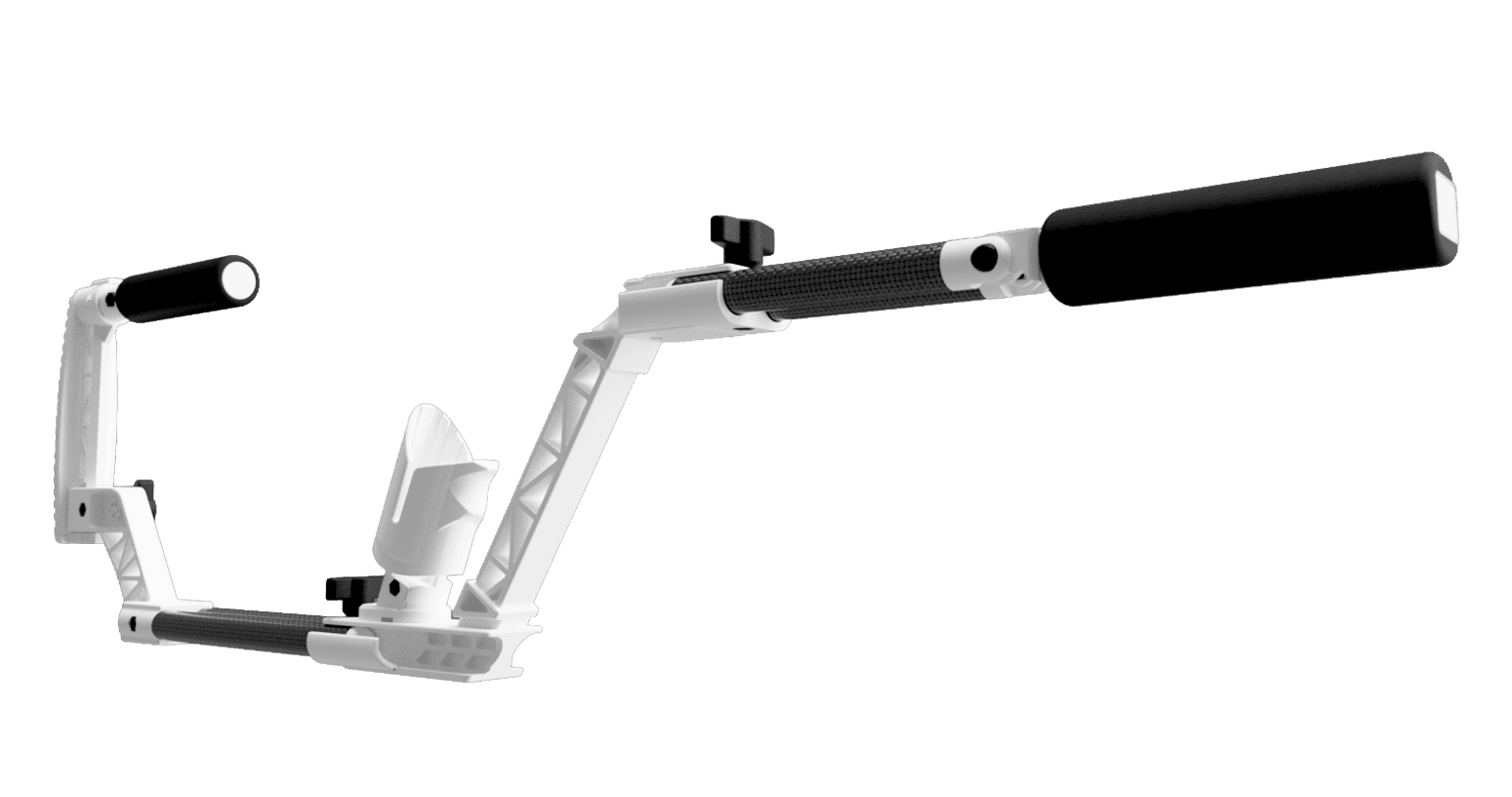
Max length: 29.25" Min Length: 15.2" / Weight: 440g ( <1 lbs ) / Construction: High Impact, Injection Moulded ABS Plastic
ARMORY-R1 isn’t assembled from hobby-grade parts or built around the limitations of rapid prototyping. It’s engineered, manufactured, and assembled with the same priorities as real-world equipment — strength, consistency, and long-term reliability.
From materials to manufacturing methods, every decision was made to hold up under aggressive play — not just to reduce cost or speed production.
Made in the USA — Injection Molded for Consistency
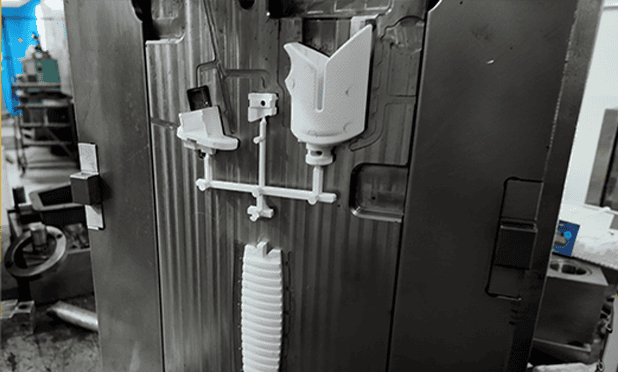
ARMORY-R1 is proudly made in the USA, using injection-molded components to achieve consistent strength, tight tolerances, and repeatable quality across every unit.
Injection molding forms parts as unified structures with controlled wall thickness and material density — eliminating weak layer lines and inconsistencies common to lower-commitment manufacturing methods.
For the Quest 2 / Quest 3 / Quest Pro versions of the ARMORY-R1, the entire stock is 100% injection molded, resulting in exceptional durability and resistance to long-term stress and impact.
Injection Molding Is a Commitment — Not a Shortcut
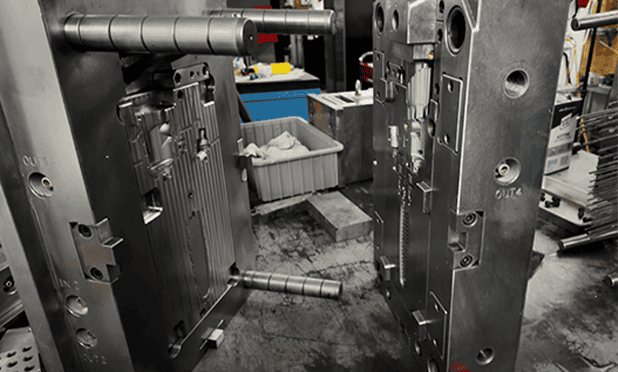
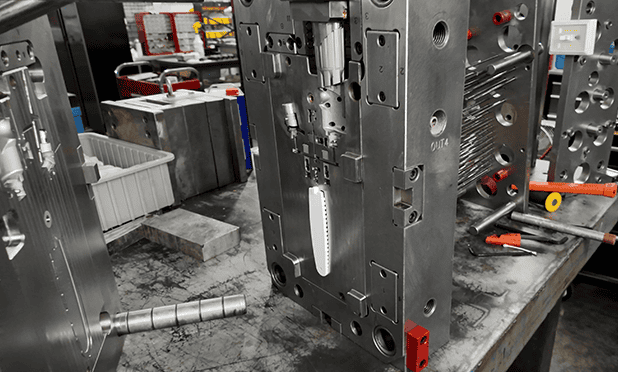
Injection molding is not an inexpensive process. It requires substantial upfront investment before a single product is ever produced.
The ARMORY-R1 uses four separate steel injection molds, each weighing approximately half a ton, to manufacture its core components. These molds exist for one reason: to produce parts that are strong, consistent, and repeatable at scale.
Altogether, the ARMORY-R1 is composed of approximately 80% injection-molded components — a deliberate decision that prioritizes long-term performance over short-term cost savings.
Why Some Adapters Are 3D Printed — By Design
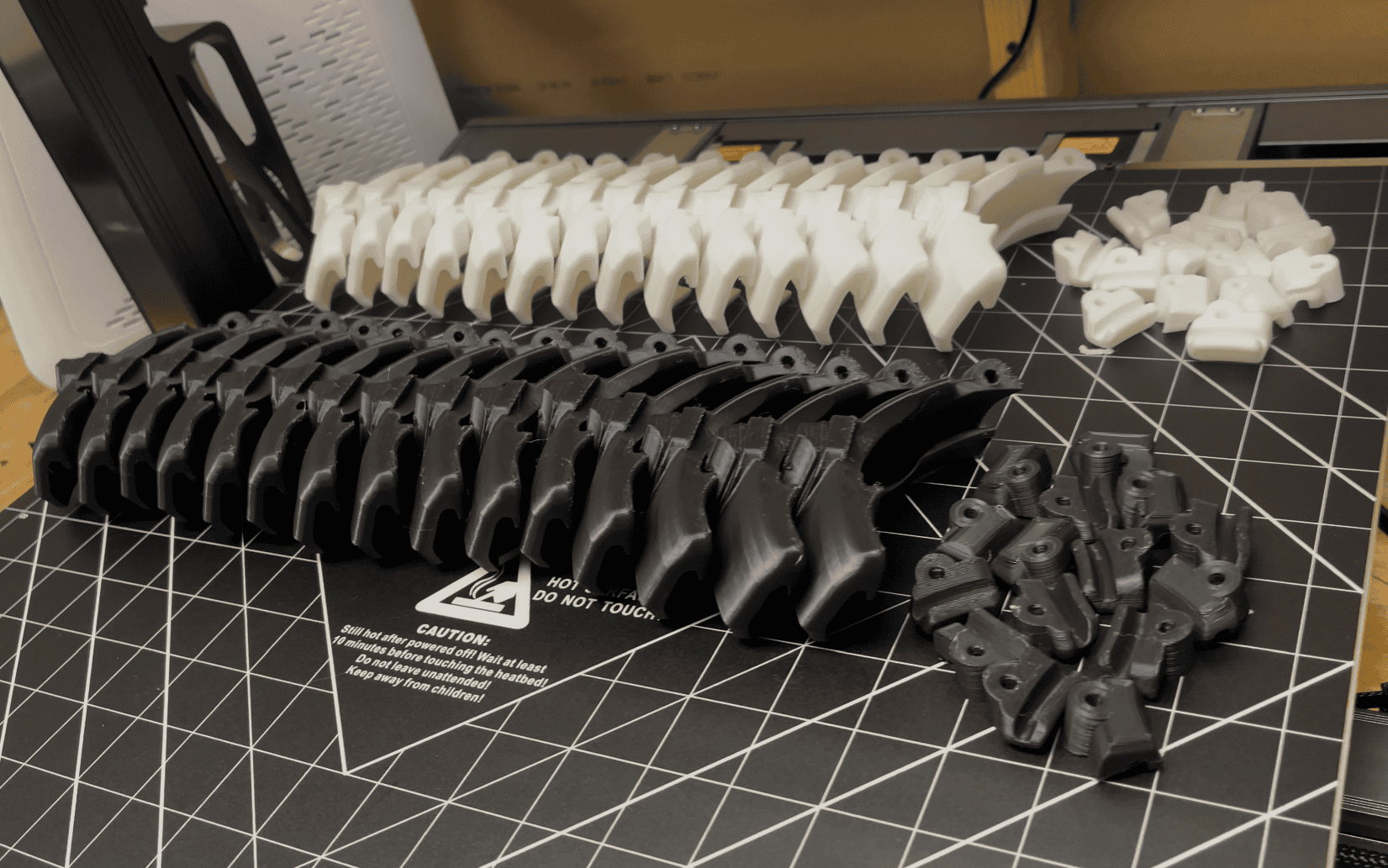
For platforms beyond Quest, the gunstock frame itself remains fully injection molded, while the controller adapters are produced using high-quality, industrial 3D printing.
This choice is intentional — not a compromise.
Some controller geometries are too complex, too platform-specific, or change too frequently to justify injection molding without sacrificing fit or functionality. Precision 3D printing allows each adapter to maintain exact controller geometry while integrating seamlessly with the injection-molded frame.
The strength comes from the frame — the adapter’s role is precision, not load-bearing.
Injection-molded frame absorbs force and stress
3D printed adapters ensure precise controller fit
Same real-world durability across all supported platforms
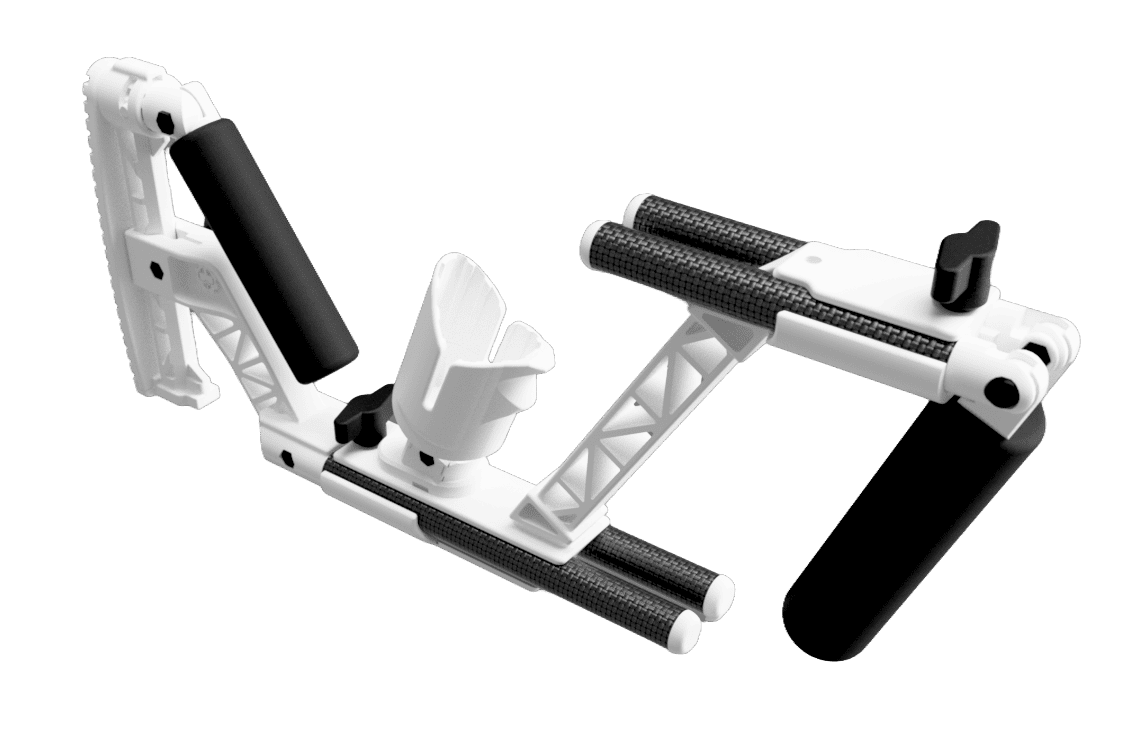
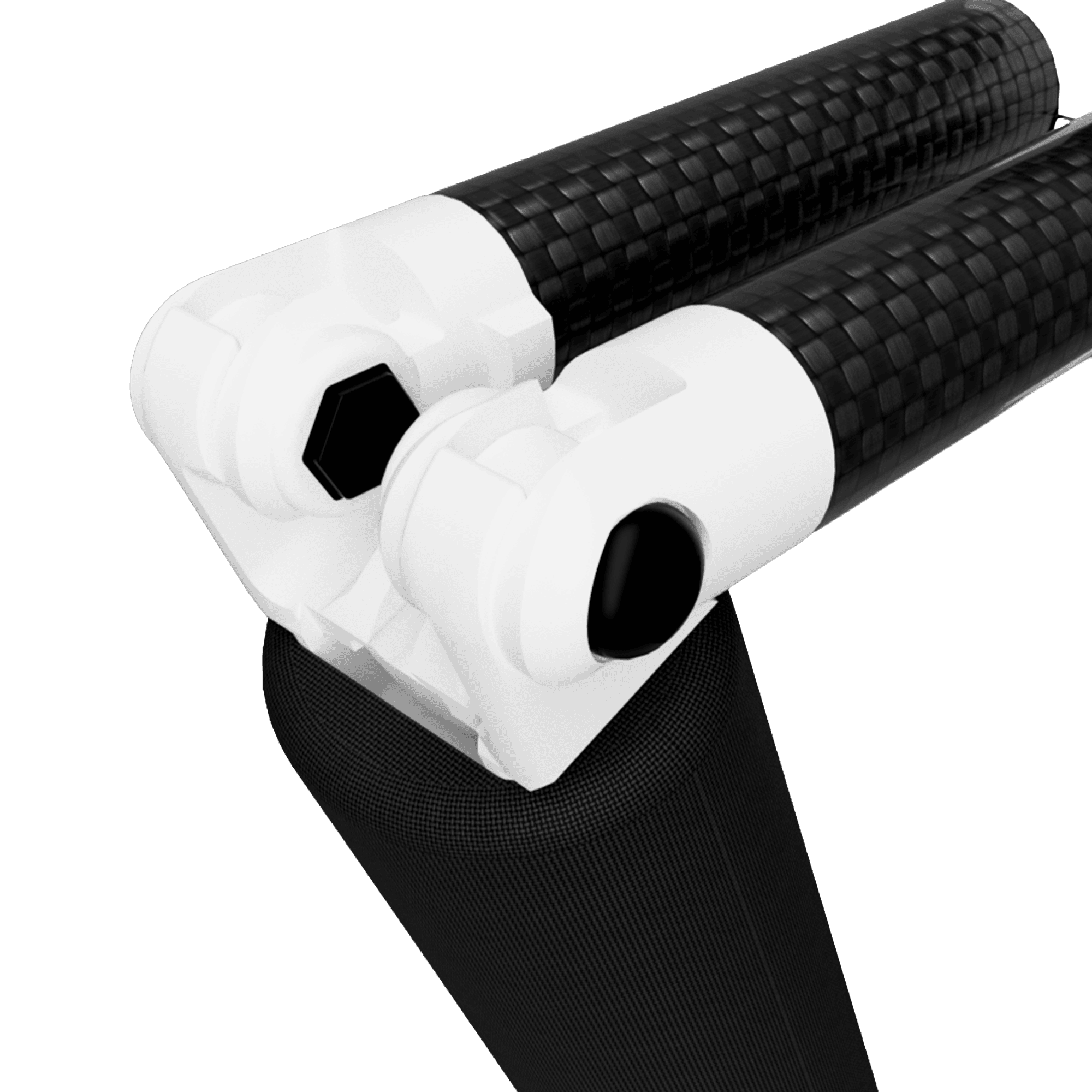
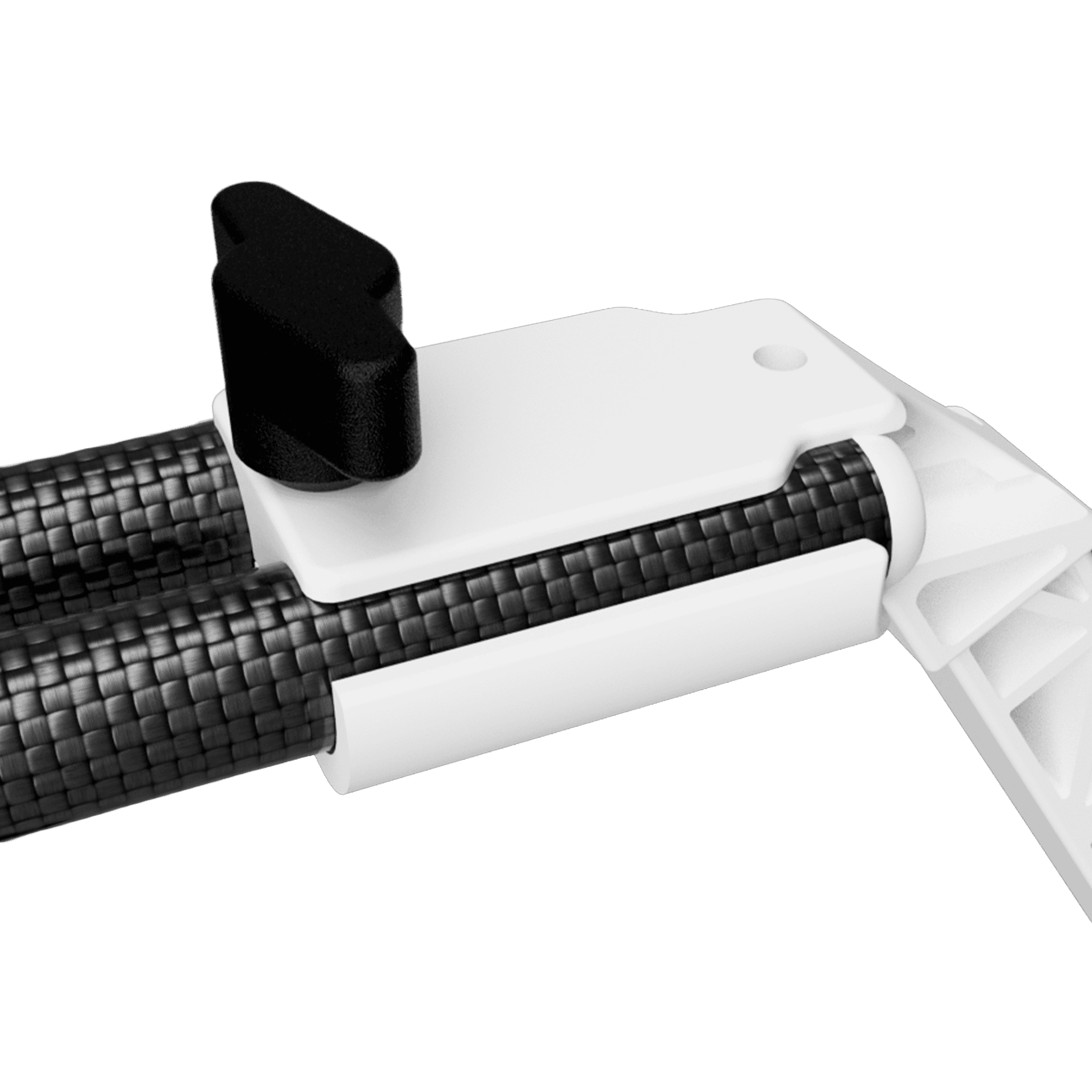
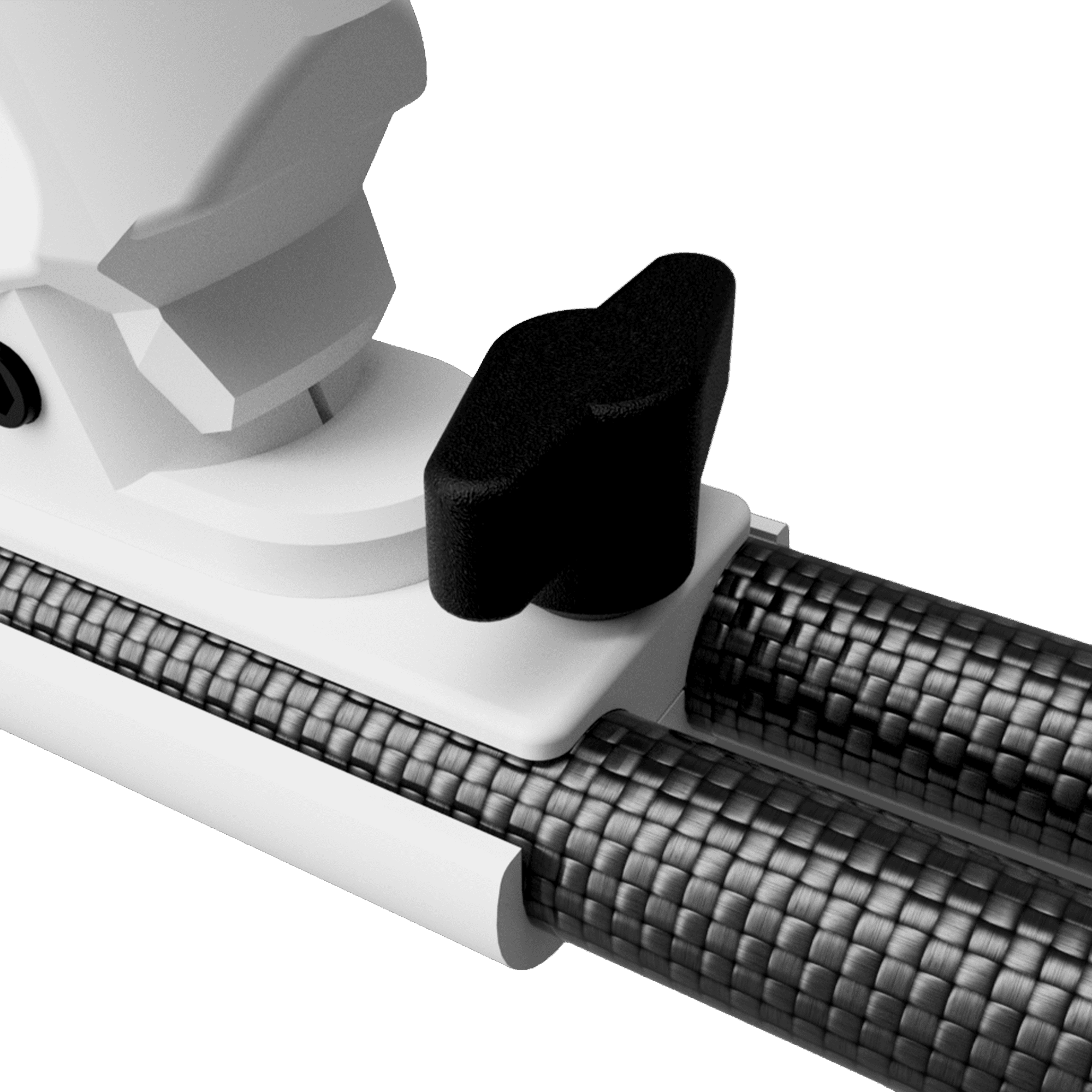
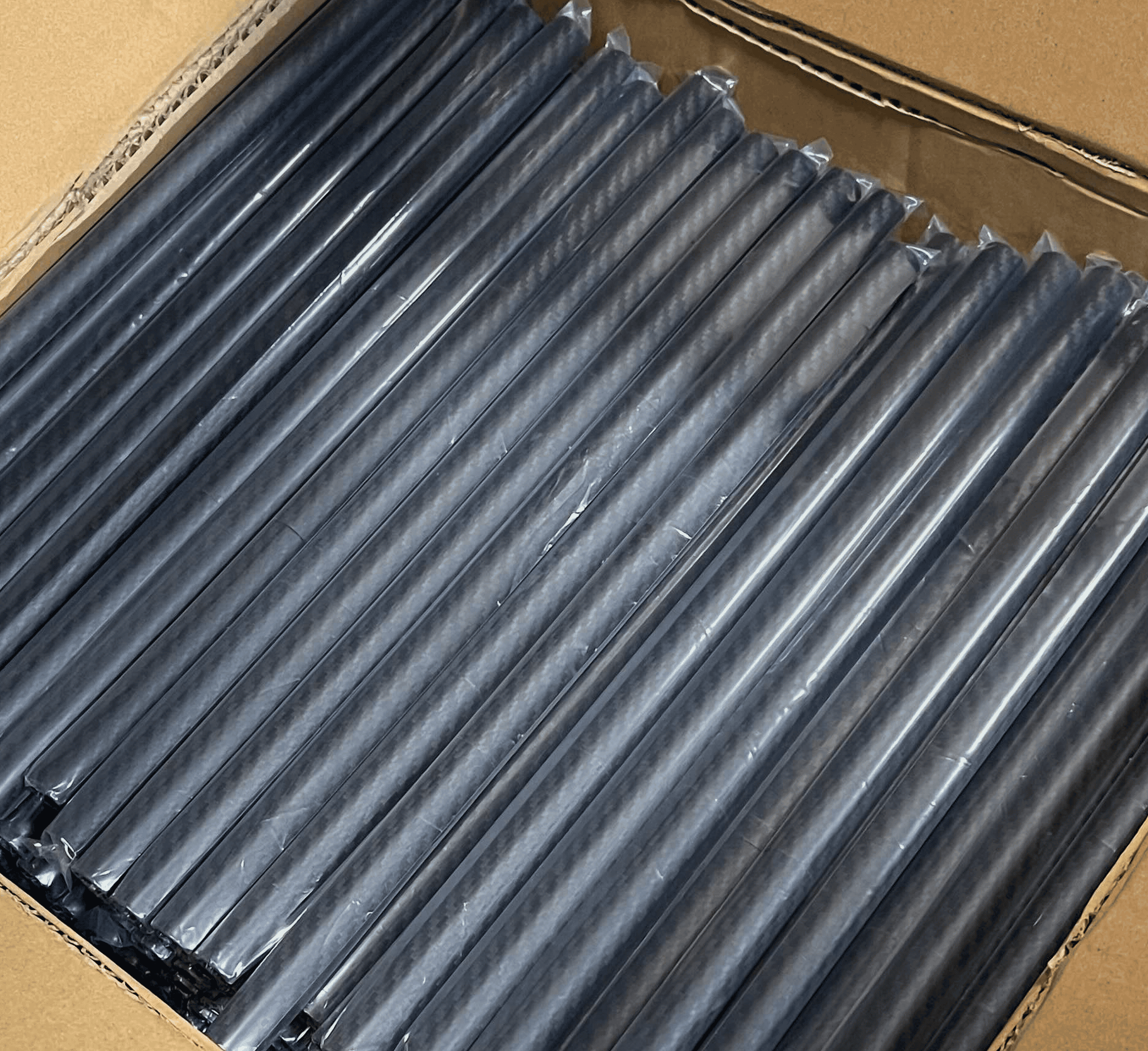
Twin-Tube Carbon Fiber Rail System with Targeted Foam Contact Points
ARMORY-R1 incorporates a twin-tube, high-strength carbon fiber rail system to deliver exceptional rigidity without unnecessary weight.
The dual-tube design resists torsional flex during aggressive movement while allowing in-game adjustments to keep the stock properly aligned with your point-of-aim — even during long sessions or fast transitions.
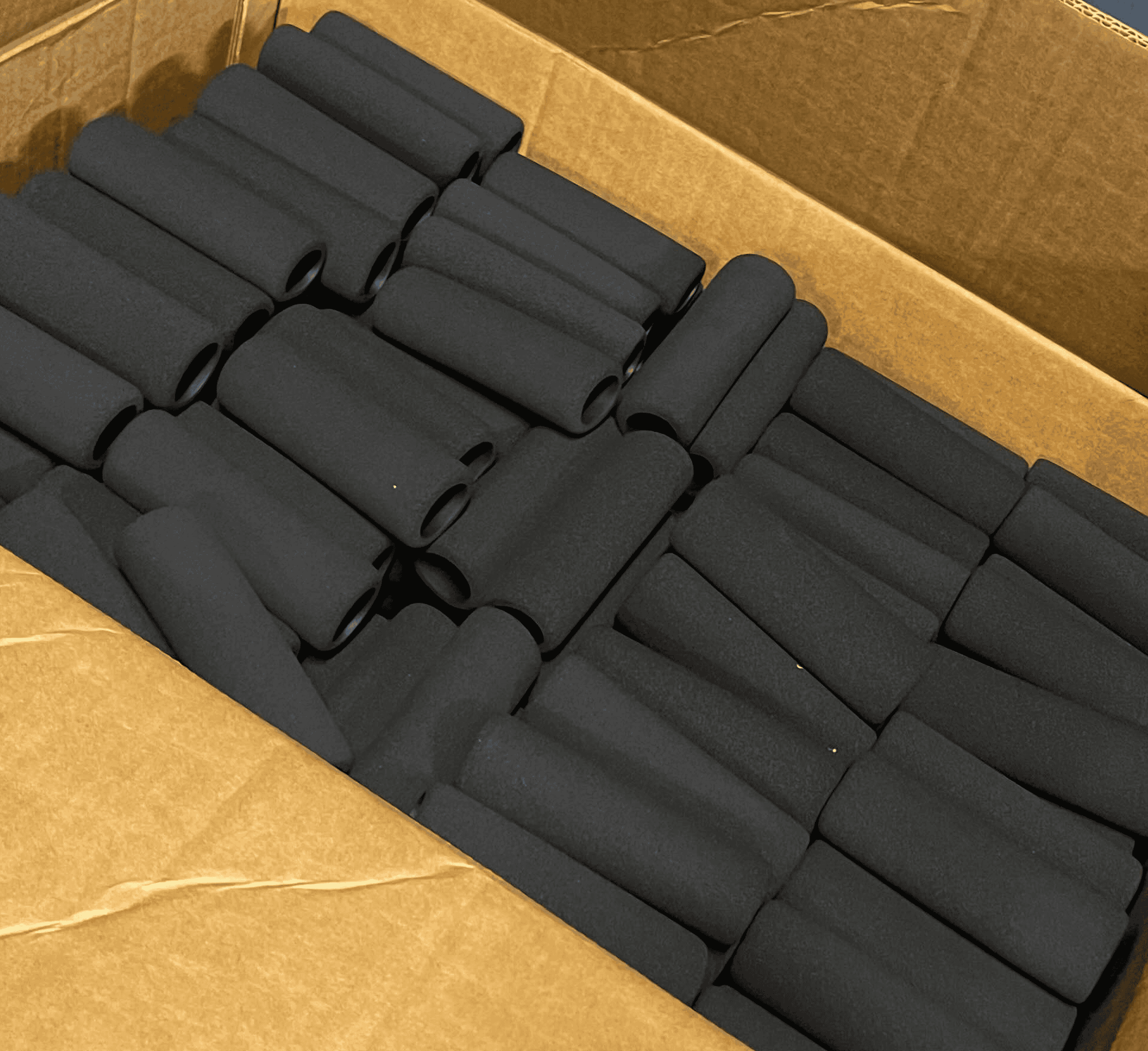
Rather than padding the structure, ARMORY-R1 uses closed-cell polystyrene foam tubes placed only at key contact points — exactly where the user’s body or controller interfaces with the stock. These foam contact areas provide comfort, grip, and impact absorption while helping stabilize the system under pressure, without interfering with the rigidity of the carbon fiber rails.
High strength-to-weight carbon fiber tubing
Twin-tube design for superior rigidity and alignment
Targeted closed-cell foam at user and controller contact points
Improved stability without added flex or bulk
On-the-fly adjustment to maintain proper stock position
Zero-Tolerance Reflective Hardware
All exposed hardware on the ARMORY-R1 uses a flat black, non-reflective finish. This isn’t an aesthetic choice — it’s a functional one.
Highly reflective surfaces can, in rare cases, introduce unwanted tracking artifacts if a headset or base station receives improper reflected data. By eliminating unnecessary reflections at key points, ARMORY-R1 maintains clean tracking integrity, even in varied lighting environments.
Every fastener, bracket, and adjustment point is finished with the same goal in mind: no glare, no shine, no unintended interference.
Flat black, non-reflective hardware
Reduced risk of stray optical reflections
Consistent tracking behavior across environments
Every material and manufacturing choice behind the ARMORY-R1 exists for a reason — not convenience.
From half-ton steel injection molds and carbon fiber rail systems to purpose-placed foam contact points and flat black, non-reflective hardware, every detail is engineered to perform consistently under stress — session after session — without loosening, flexing, wearing out prematurely, or introducing unintended tracking issues.
If it doesn’t improve performance, it doesn’t belong.